

The Importance of the Stock in Weapon Performance
Stocks have evolved from being a simple aesthetic support to becoming a fundamental element for the performance of rifles and shotguns. Their influence ranges from ergonomics and recoil reduction to aiming repeatability and, in precision rifles, group consistency. The choice of the right stock directly impacts the shooting experience, both in hunting and in precision sport shooting.
Main Types of Stocks by Material and Construction
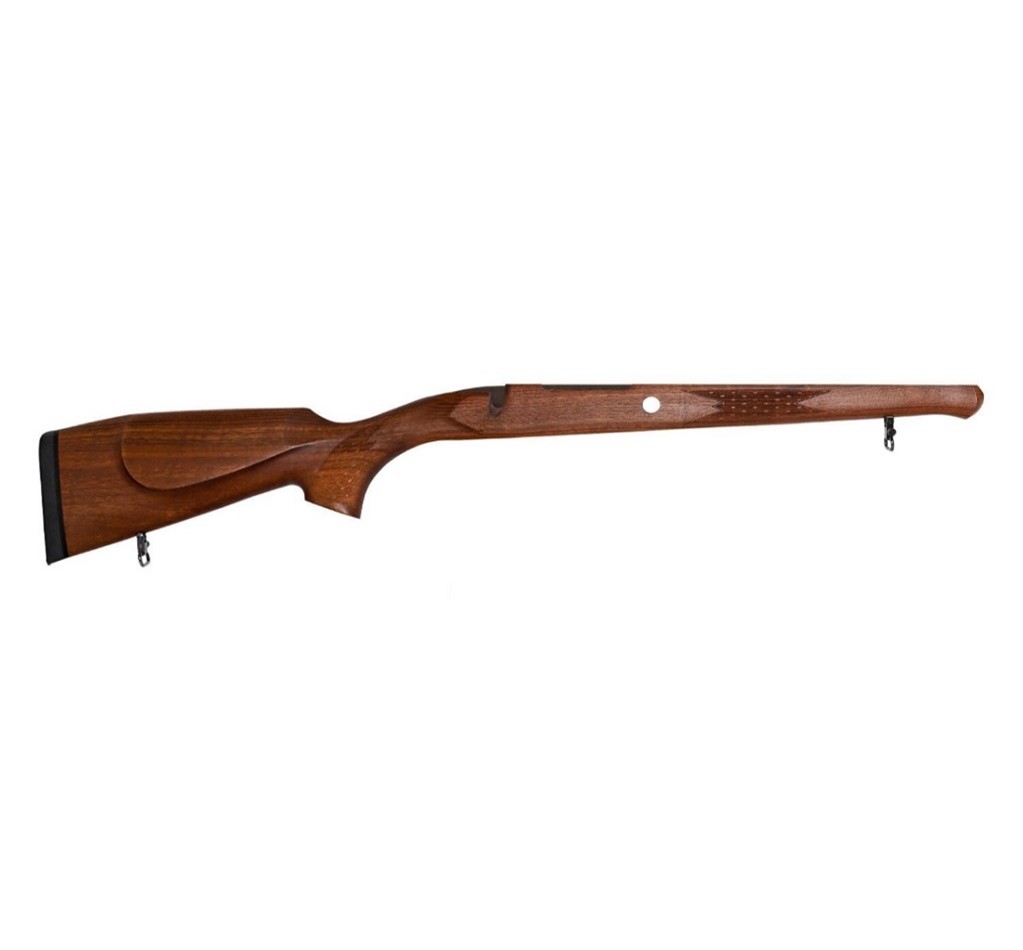
1. Solid Wood (Classic Walnut)
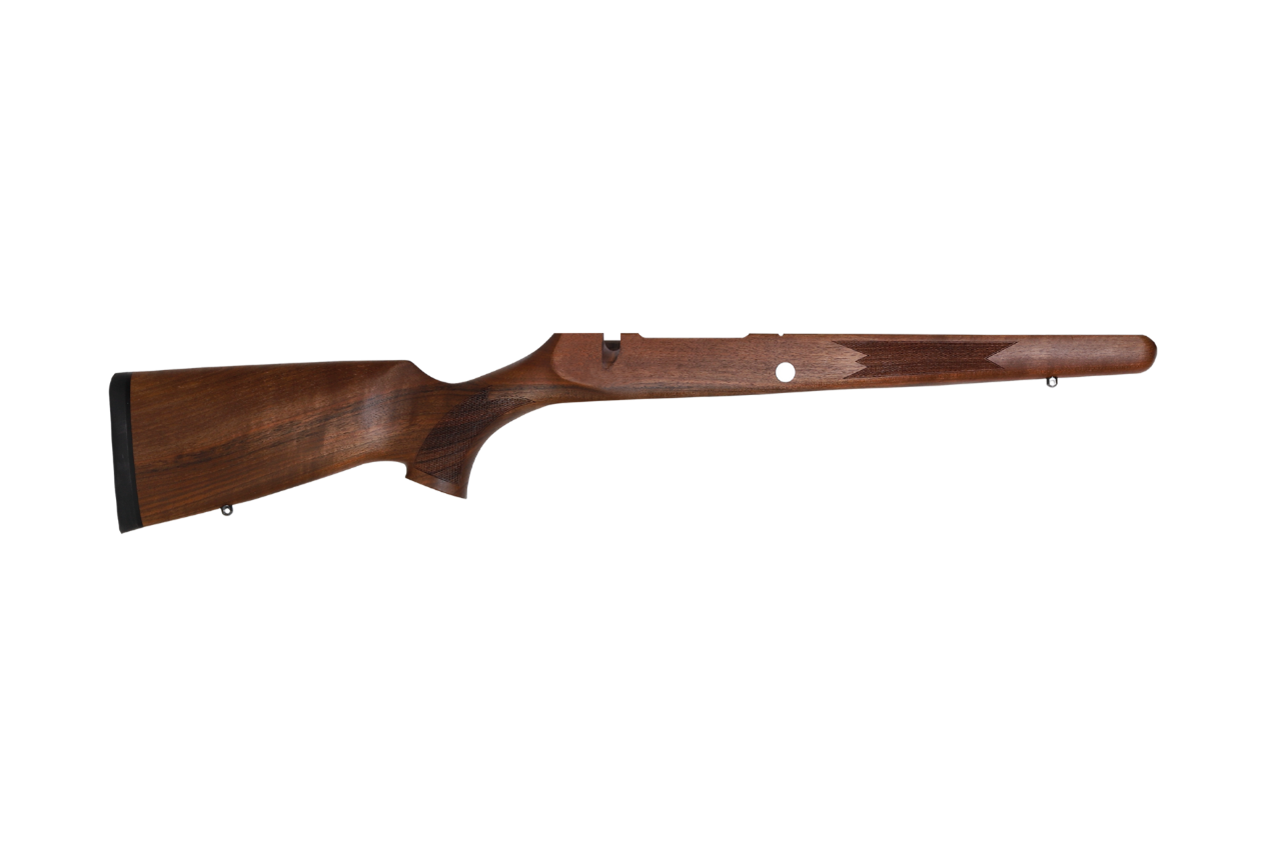
Wood stocks, especially those made from walnut, are the most traditional option and are appreciated by many hunters for their feel, aesthetics, and the warmth they convey. The use of well-selected and worked walnut provides good dimensional stability if a correct finish is applied. Additionally, wood allows for artisanal carvings, engravings, and modifications, which adds value and personalization. However, it is sensitive to humidity and thermal changes, requiring special care in extreme weather conditions. Applications: Stalking, big game hunting, and driven hunt shotguns, where aesthetics and tradition are as important as functionality.
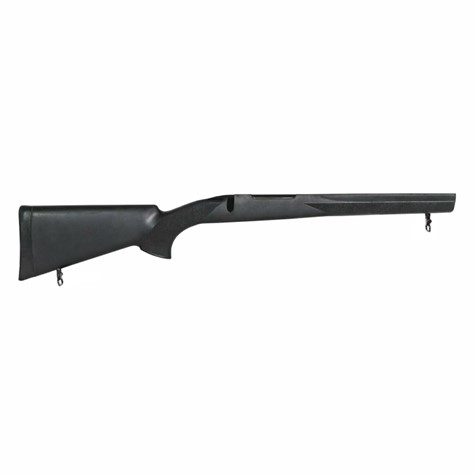
2. Polymer / Synthetic (Reinforced Nylon, Injection Molded)
Modern synthetic stocks, made from fiberglass-reinforced polymers or technical fillers, prioritize lightness, stability, and weather resistance. They can be textured to improve grip in wet conditions and often include cushioning zones to reduce recoil-induced fatigue. They are economical and allow for modern integrations such as QD points, rails, or compartments. Applications: Mountain hunting, driven hunts in adverse conditions, tactical uses, and work shotguns where minimal maintenance and resistance are paramount.
3. Laminated and Stabilized Wood
Laminated stocks, composed of glued and cured wood layers, combine the aesthetics of wood with greater mechanical stability compared to solid wood. They better resist torsion and humidity changes, and allow for varied finishes and colors. Therefore, they are popular in sport rifles and in "premium" configurations that seek stability and presence.

4. Fiberglass / Composites and RTM (Composite Stocks)
Stocks manufactured using molding processes, such as RTM (resin transfer molding), use fiberglass or carbon fibers embedded in resin to achieve very rigid and repeatable parts. Their main advantage is integral bedding, which ensures that the action always fits the same way, thus improving consistency and precision. They are mainly used in modern lightweight hunting rifles and tactical rifles.
Applications: Demanding hunting, semi-precision rifles where a combination of lightness and stability is sought.

5. Carbon
Stocks made of carbon fiber or with a skeletal design are intended to minimize weight without sacrificing rigidity. They are common in mountain rifles and modern tactical rifles. Although their price is high, they offer an excellent rigidity-to-weight ratio.
Applications: High mountain hunting, long treks, and platforms where lightness is a priority.

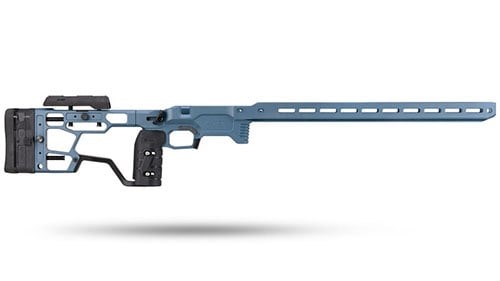
6. Chassis and Modular Stocks for Precision (Aluminum + Accessories)
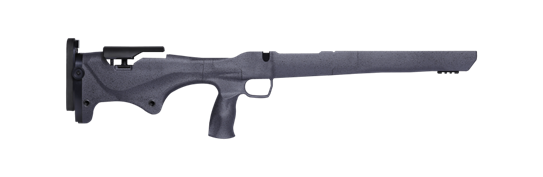
Rifle chassis, modular systems with a bottom rail, separate pistol grip, and multiple adjustment possibilities, have revolutionized precision shooting. Made of aluminum or magnesium, they provide perfect mechanical bedding and allow for micronized adjustments for eye alignment and vibration control. They are the standard choice in disciplines such as PRS, long-range, and precision competitions.
Applications: Supported precision shooting, PRS, F-Open/Palma (in specific versions), and tactical rifles where modularity is key.
Stock Shapes and Ergonomics
The shape of the stock directly influences grip and eye alignment:
· Monte Carlo / raised cheek piece: Favors the use of high scopes while maintaining eye alignment.
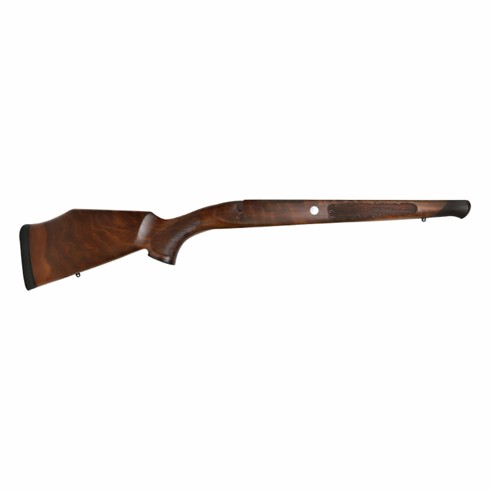
· "Bavarian" style: sometimes called boar's back. Very typical in Central Europe.
· Thumbhole: Improves grip and trigger stability; common in European sport and hunting rifles.
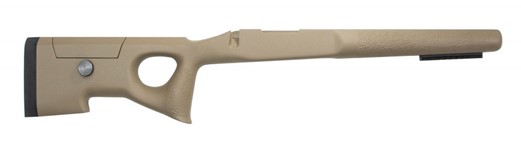
· Straight/English: Traditional in wing shooting shotguns, facilitates the swing. More appropriate stocks if we choose a powerful cartridge, as the horizontality of the stock better transmits the weapon's recoil.
· Pistol grip: Provides ergonomics and control, common in chassis and tactical rifles.
Specific Shotgun Stocks: Peculiarities
In shotguns, recoil control and ease of swing are essential. Stocks can incorporate:
· Traditional English stock. It is the most common stock in hunting shotguns.

· Adjustable comb (in height and length) to adapt the sight line to different users and types of sights.

· Pistol grips and wide forends to improve control in stand hunting or clay pigeon shooting.

· Recoil pads and competition shock-absorbing systems.

Criteria for Stock Selection
· Environment: For hunting in rainy or frosty conditions, polymer or laminate is advisable.
· Weight vs. stability: Wood and laminate are heavier; polymer and carbon allow for lighter assemblies.
· Recoil: Straight stocks better absorb weapon recoil when choosing a powerful hunting cartridge.
· Bedding and precision: In precision shooting, rigidity and bedding are more relevant than appearance; therefore, composites and chassis dominate in this field.
· Ergonomics: It is essential to adjust the length, comb height, and grip to the shooter's posture; a specialized gunsmith can adapt the stock to individual morphology.


